How to Find Your Signature Scent: A 5-Step Method That Actually Works
A signature scent is not found by luck — it is chosen by method. This 5-step process takes you from a drawer of random samples to one perfume people associate with you.
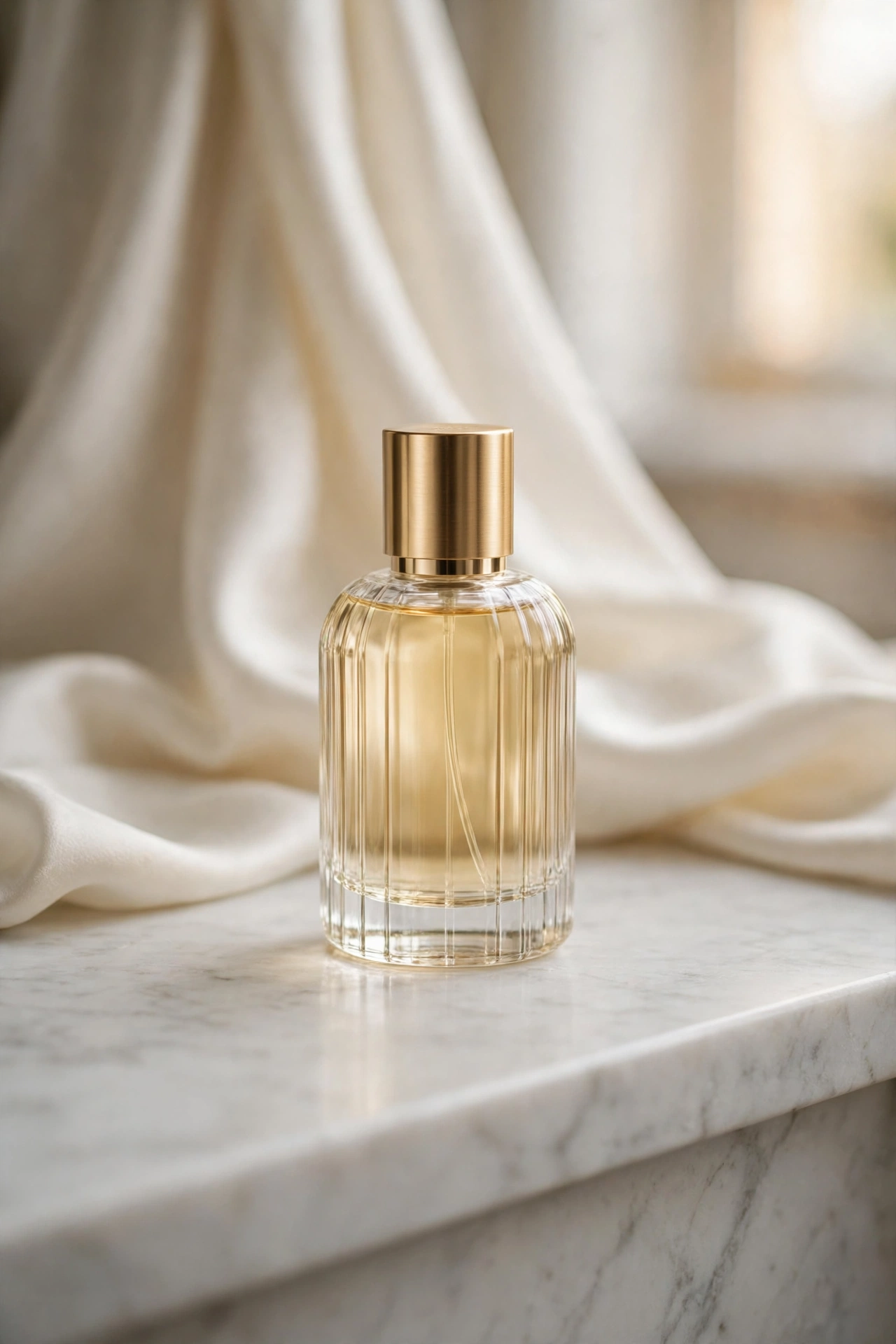 Save to Pinterest
You find a signature scent by method, not luck: audit the perfumes you already love, identify the note family they share, sample five to eight scents inside that family, wear each finalist three times in real life, then commit to one core bottle for a season. It is the fragrance that becomes part of how people remember you.
Everyone knows someone whose perfume arrives a second before they do — and lingers pleasantly in memory after they leave. That is not the most expensive bottle or the trendiest launch; it is the result of a process. Here is the exact process, step by step. Much of that remembered effect is sillage, the trail a perfume leaves behind — and a true signature needs a beautiful one.
Step 1: How do you find your scent family?
Start with evidence, not advertising: line up every fragrance you have finished, repurchased, or reached for more than ten times, and read their note lists. Most people discover they have been circling the same family for years — warm vanilla-amber, clean musk, green fig, smoky woods. That pattern is your scent DNA, and your signature lives inside it, not outside it. If your list keeps circling back to vanilla, our vanilla perfume guide will feel like home territory.
- Write down your 3 most-worn perfumes of all time
- List the notes they share — that overlap is your home territory
- Note the ones you admired on others but never enjoyed on yourself (skin chemistry is real)
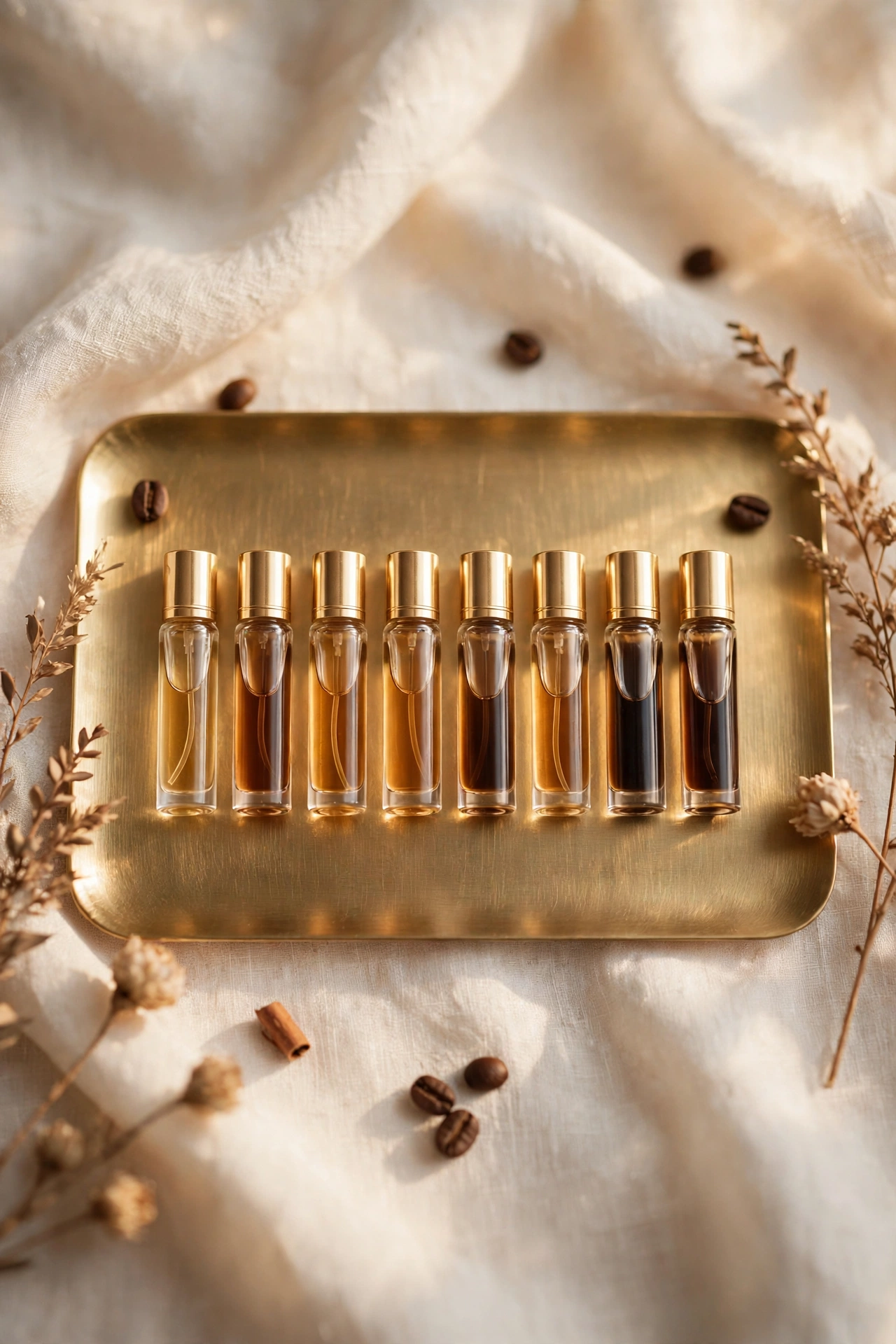
Step 2: Sample inside one family, not across all of them
Pick the family from Step 1 and order five to eight samples inside it — discovery sets from niche houses are ideal for this. Sampling randomly across every family feels fun, but depth is what reveals the difference between 'nice' and 'this is me'.
Step 3: Test on skin, in real life
Judge the dry-down on your own skin at the four-hour mark, one candidate per day — blotters and first sprays lie. Skin warmth and oils rewrite a fragrance within an hour, and a signature scent is chosen on how it wears at hour four, not how it opens at minute four. If a finalist fades before hour four, do not discard it yet — our guide to how to make perfume last 12+ hours shows how to stretch it.
- Skin, not paper
Blotters show the opening only. Your skin's warmth and oils rewrite a fragrance within an hour — judge the dry-down, not the first spray.
- One per day
Two perfumes competing on your skin tells you nothing about either. One candidate per day, two sprays, no layering.
- Ask the room
Note compliments and — more telling — whether anyone asks what you are wearing. A signature scent gets recognised.
- Check the 4-hour mark
If you still enjoy it at hour four and can still smell it without pressing your nose to your wrist, it passes the wearability test.
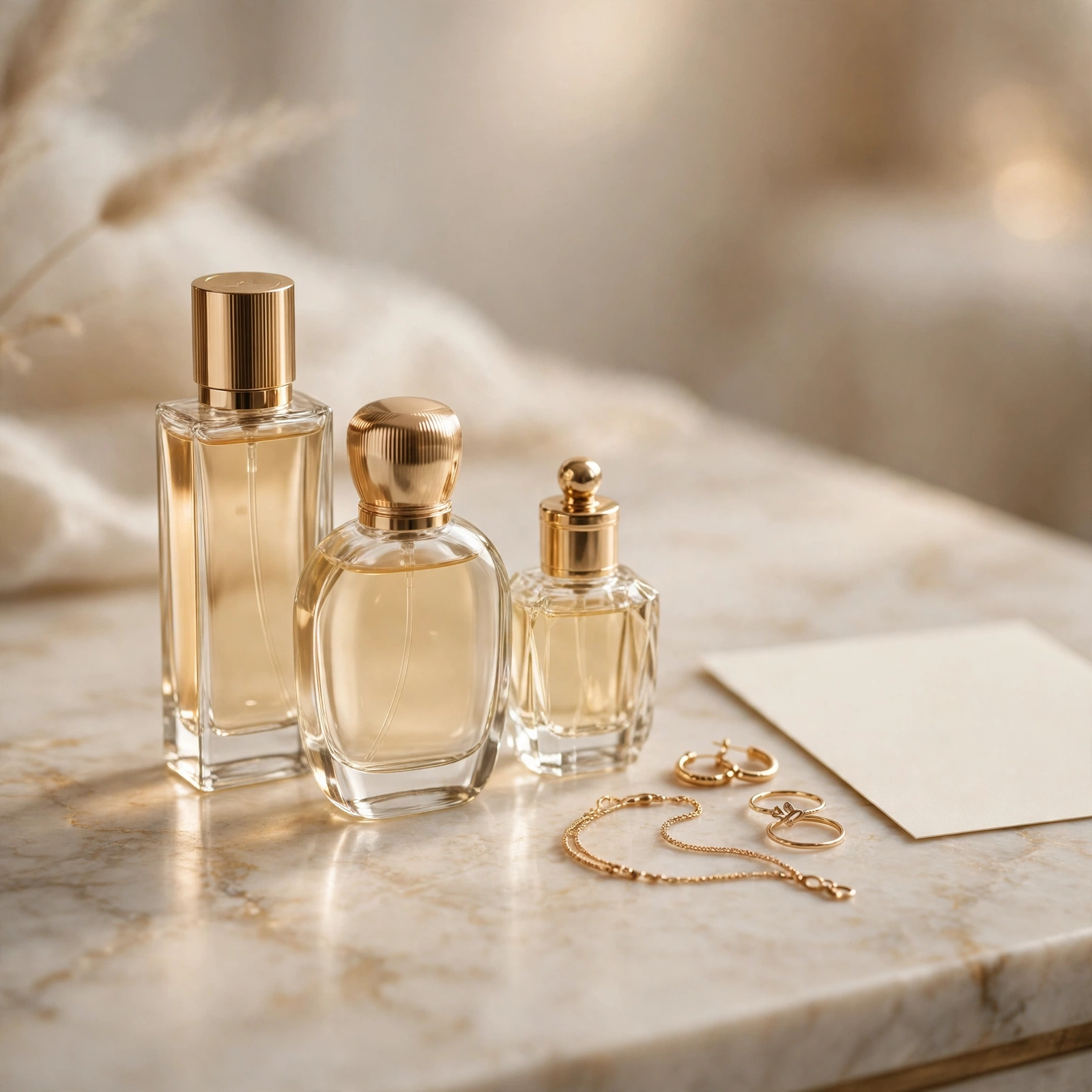
Step 4: Pick the one-bottle core, then build around it
A signature scent does not mean owning one perfume forever — it means one core bottle worn about 70% of the time, supported by a small wardrobe. Choose the core first: something fresher for summer and something warmer for winter evenings are easy decisions once the centre is set, and one warm combination can extend your core scent into winter without replacing it.
Step 5: Commit for a season
Wear your chosen scent consistently for a full season — recognition is built by repetition, usually eight to twelve weeks of regular wear. Many people abandon a perfect signature at week two because novelty wore off for them, forgetting that for everyone else, the association is only just forming. Once the core is set, perfume layering combinations let you vary it by season and mood without breaking that recognition.
Our editorial shortlist: signature-worthy scents to sample first
Based on the families readers ask us about most, these are the bottles worth putting on your sampling list — elegant, wearable daily, and distinctive enough to be remembered. Start with the sample set, graduate to the full bottle only after the 3-wear rule says yes. Several of them double as exceptional presents, too — our perfume gift guide for her is the giving version of this shortlist.
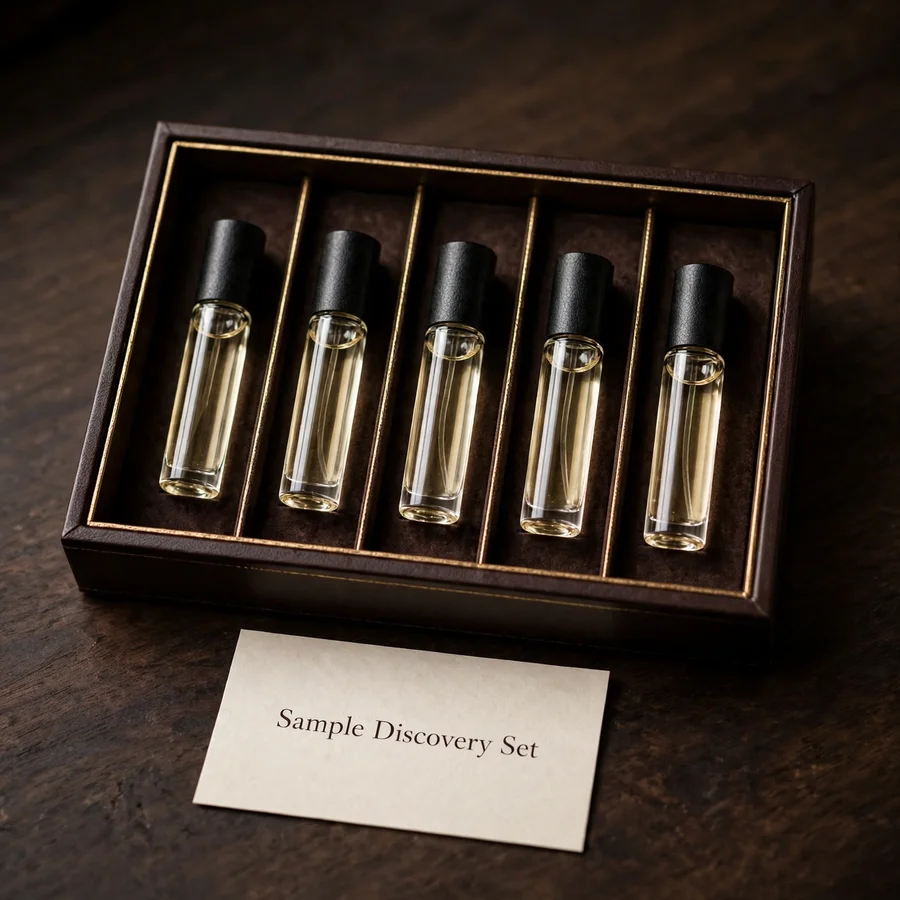
Creed Men's Inspiration Sample Set — 5 × 1.7 ml
$70
Aventus, Silver Mountain Water, Millésime Impérial, Green Irish Tweed and Original Vetiver — five proper wears each, redeemable-style sampling without the $300 blind buy. Sold by Amazon.com.
Check Price on Amazon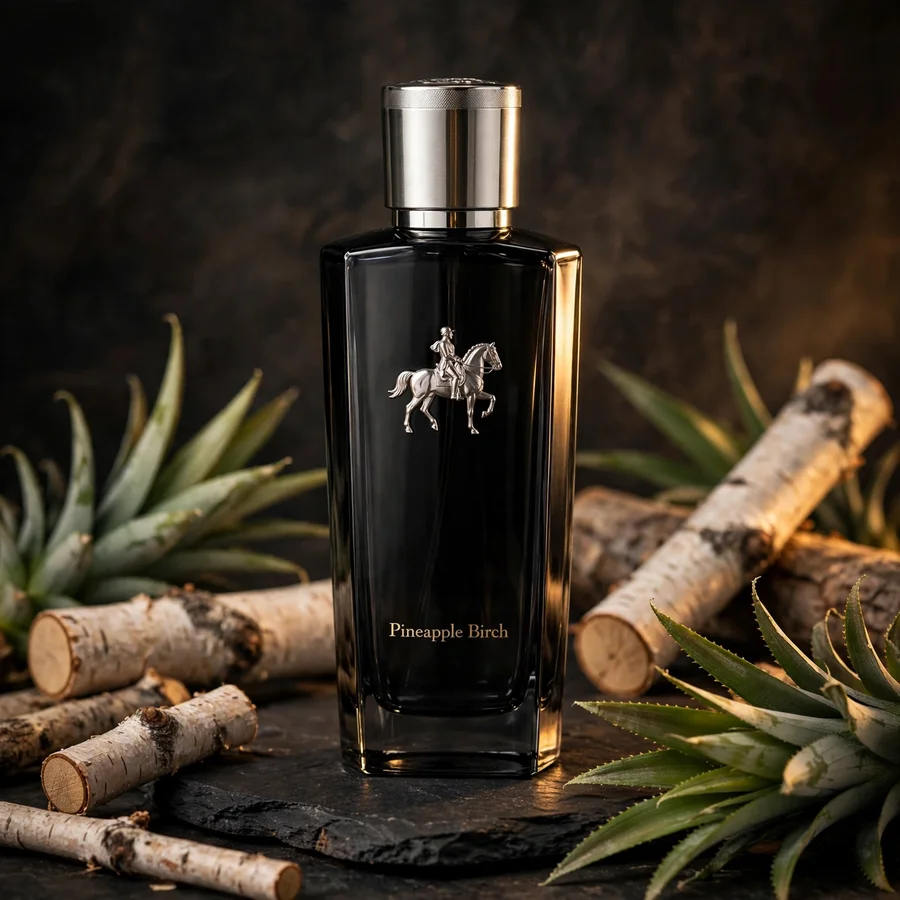
Creed Aventus — 30 ml
$270
Pineapple, bergamot and blackcurrant over smoky birch and oakmoss — the definitive modern signature, and the full bottle most samplers graduate to after the set above.
Check Price on Amazon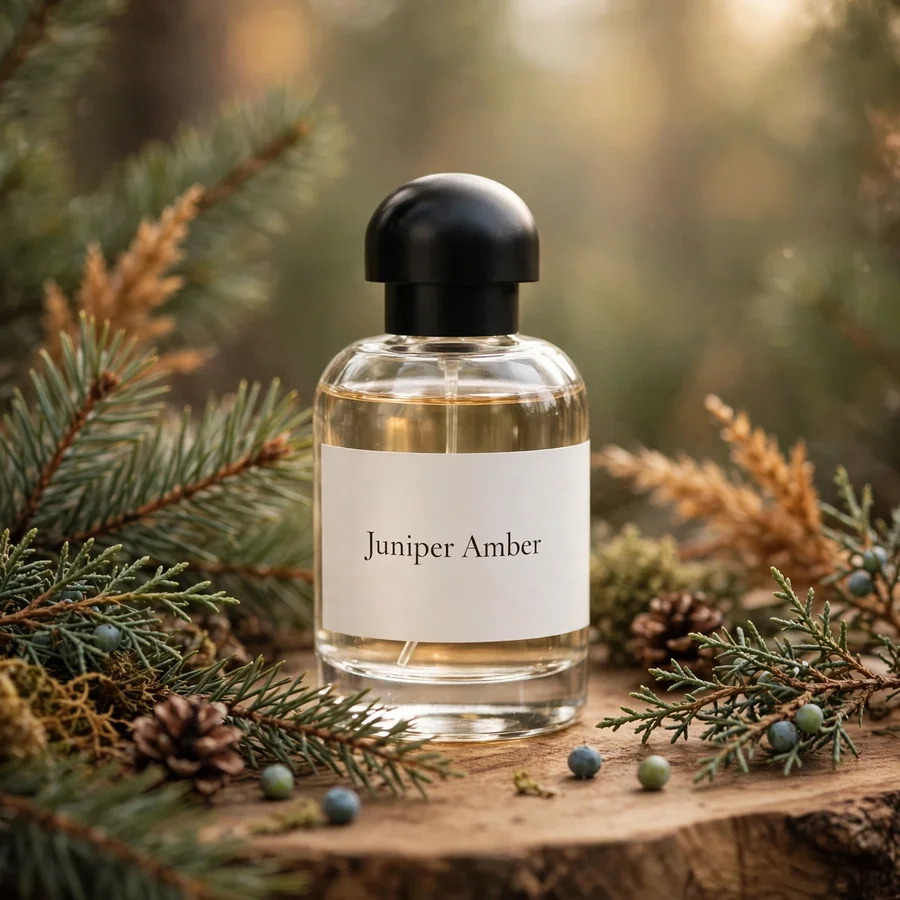
Byredo Gypsy Water — 50 ml
$157.95
Juniper berries, pine needles and lemon settling into incense, vanilla and sandalwood — the quiet signature: woody, clean and unmistakably personal. Marketplace listing, so check the seller at checkout.
Check Price on Amazon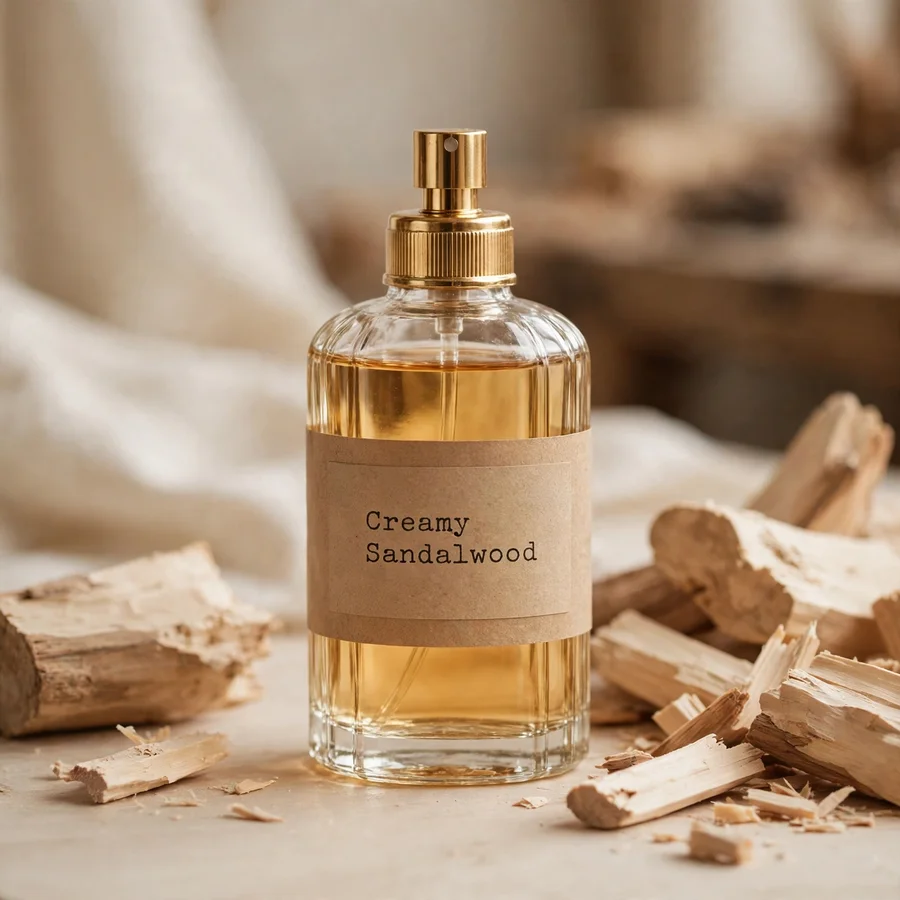
Le Labo Santal 33 — Eau de Parfum, 15 ml
Creamy sandalwood, iris and leather — the modern signature-scent icon: instantly recognisable, yet it settles into something personal on every skin. Sold by Le Labo directly.
View at Le Labo- Perfume info — Creed Aventus: notes of pineapple, blackcurrant and bergamot over birch, patchouli and oakmoss
- Best for: year-round signature wear · Longevity: 8–10 hours · Sillage: our rating 7/10
- Perfume info — Byredo Gypsy Water: notes of juniper, pine needles and lemon over incense, vanilla and sandalwood
- Best for: a quiet, close signature · Longevity: 5–7 hours · Sillage: our rating 4/10 — intimate by design
- Sampling first: the Creed set gives each of its five scents 3–5 proper wears per 1.7 ml vial
- Clean musk and skin scents — the 'your skin but better' family; the safest signature territory
- Soft amber-vanilla — warm, compliment-prone, works day to night
- Green fig and tea scents — distinctive, modern, quietly luxurious
- Creamy sandalwood — smooth, calm, and almost impossible to dislike
Signature scent questions, answered
How long does it take to find a signature scent?
With focused sampling, three to six weeks: one week to audit your taste, two to four weeks of one-family sampling with the 3-wear rule, and a final head-to-head week between your top two. Random sampling can take years — the method matters more than the number of bottles, and most people find their family faster than they expect once they stop sampling everything.
Should a signature scent be niche or designer?
Either can work. What matters is fit and consistency. Niche scents are less commonly worn, so the association with you forms faster — fewer people in the room share your scent. Designer icons are beautifully made but widely worn, which dilutes the 'that smell is her' effect. Choose whichever you would happily wear 70% of your days.
Can I have two signature scents?
Yes — one for day, one for evening is a classic setup, and many people add a seasonal pair (fresh for summer, warm for winter). Just keep each one consistent within its role: the association forms per context, so your colleagues can know your day scent while your partner knows your evening one. More than four 'signatures' and the idea stops meaning anything.
Should I buy a full bottle or a sample first?
Sample first, almost always. A 1.5–2 ml vial gives three to five proper wears — enough for the 3-wear rule — for a fraction of a full bottle's price. Discovery sets from the house itself are the best value, and several are redeemable against a full bottle. The only exception: replacing a bottle you already know you love.
Why does the same perfume smell different on me than on my friend?
Yes, and it should. Skin chemistry is real — the same perfume can smell sparkling on a friend and flat on you, because your skin's oils, warmth and pH shift the balance of notes. That is precisely why Step 3 insists on testing on your own skin, in real life, at the four-hour mark. Admire scents on others; choose signatures on yourself.
How long until people associate a scent with me?
Roughly eight to twelve weeks of consistent wear — wearing it most days, in the same contexts, around the same people. Repetition is the mechanism: colleagues and friends need repeated exposures before the scent becomes 'yours' in their memory. This is why Step 5 says commit for a full season before judging whether it has become your signature.
Disclosure: This article may contain affiliate links. As an Amazon Associate I earn from qualifying purchases — at no extra cost to you. We only recommend scents and products that fit the guide.
Get the free Sillage Cheat Sheet
Join the letter and we will send you Sillage, Projection & Longevity — our one-page cheat sheet that explains how a perfume really behaves, with the five rules that make any scent last longer and trail beautifully. After that: one short email a week with new guides, layering recipes and note explainers.
Free, always. No spam, ever. Unsubscribe at any time.
Enjoyed this guide? Save the next one.
We publish new layering recipes, note explainers and longevity guides on Pinterest first — follow along so you never miss one.
Follow Scent Atelier on PinterestRelated guides
 Seasonal Fragrance Pairings
Best Winter Perfumes: 5 Cozy Scents That Actually Work in the Cold
Cold air kills fresh scents and makes warm ones glow. The five cozy winter perfume styles that actually perform from November to February — amber, vanilla, smoke, spice and woods.
 Perfume Tips & Tricks
How to Make Perfume Last 12+ Hours
Your perfume is not weak — your routine is. Skin prep, placement, and storage decide whether a scent lasts two hours or twelve. This is the full method, step by step.
 Luxury Perfume Aesthetic
Perfume Gift Guide for Her: Luxury Picks That Never Miss
How to gift perfume without gambling: discovery sets, personality-based picks and sensible price tiers — the luxury fragrance gift guide our readers ask for every December.